
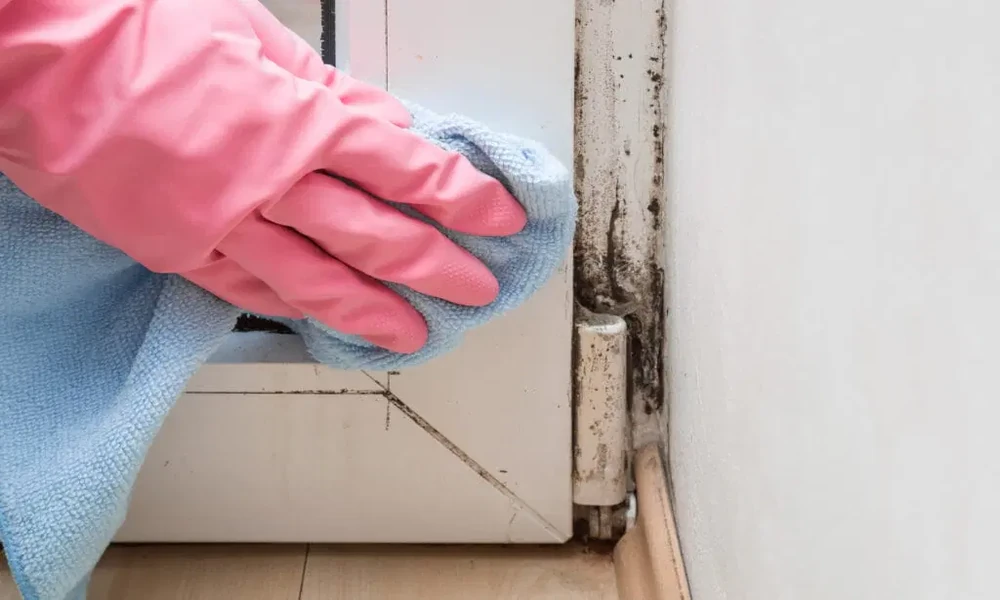

A gray fuzz shows up on the basement drywall in late summer. Someone sprays it with bleach, the stain fades, and the problem seems solved. By the next spring the same patch is back, often a little bigger and with a stronger musty smell. This happens in a huge number of homes. It usually comes from one misunderstanding about what mold is and what it takes to get rid of it.
Mold is not a stain sitting on top of a wall. It is a living organism. It spreads threadlike roots called hyphae into porous materials like drywall paper, wood framing, carpet backing and ceiling tile. Remediation companies that work in older shore and suburban homes, such as NJ Mold Pros, follow the IICRC S520 standard. That standard puts physical removal and moisture correction at the center of the job instead of a chemical sprayed on the surface. The difference matters more than most homeowners realize.
The gap between killing mold and removing it explains why so many cleanups fail. Dead mold can still cause allergic reactions and irritation. A wall full of dead spores can keep causing stuffy noses and headaches long after the spraying ends. If the material stays damp, whatever survived deeper in the material simply grows back.
The Trouble With Bleach on Porous Materials
Bleach became the go-to mold fix because it whitens stains fast. On hard surfaces like glazed tile, glass or sealed metal, it can do a decent job. Drywall and wood are different. Household bleach is mostly water. The water soaks into the material while the active chlorine mostly stays on the surface. The color goes away, but the moisture you just added can feed the growth underneath.
The U.S. Environmental Protection Agency’s guidance on mold cleanup in your home says bleach isn’t needed for routine mold cleanup. It also says absorbent materials like ceiling tiles and carpet may have to be thrown out once they’re moldy. The same guidance sets a practical limit at about 10 square feet, roughly a three by three foot patch. Anything larger, or any growth after serious water damage, is better handled by someone with containment and air filtration equipment.
That limit isn’t about how ugly the patch looks. It’s about how many spores get released when the material is disturbed. Scraping a large moldy area in an open basement can spread spores through the whole house, especially if the furnace or air handler is running nearby.
What Real Removal Involves
Professional remediation follows an order of steps that looks nothing like a weekend spray job. Each step depends on the one before it.
- Moisture mapping comes first. Technicians use moisture meters and sometimes thermal cameras to find where water is getting in, not just where mold is visible.
- The work area is sealed off with plastic sheeting and kept under negative air pressure, so spores stay inside the space being cleaned.
- Affected drywall, insulation and carpet are cut out, bagged and removed. Framing and other structural wood is cleaned with HEPA vacuums, scrubbing or sanding.
- HEPA air scrubbers run during and after the work to catch spores in the air.
- Materials are dried to normal moisture levels. Many projects end with a visual check or clearance testing before any rebuilding starts.
Skipping the first step is the most common reason a professional job fails too. A wall can be stripped, cleaned and rebuilt perfectly. If groundwater still seeps through a foundation crack behind it, the new drywall will start the same cycle within a season or two.
Why Basements Are Usually Where the Fight Happens
Below-grade spaces have problems that upper floors don’t. Concrete and block are porous. When the soil around a foundation is soaked after heavy rain, the water presses against the walls and floor and works its way through tiny cracks and joints. In coastal and low-lying areas with sandy soil and a high water table, that pressure can last for weeks.
Condensation adds to the problem in summer. Warm, humid outdoor air comes indoors and hits cool foundation walls, and it leaves moisture behind the same way a cold glass sweats on a porch. A finished basement makes it worse because the dampness is hidden behind drywall and carpet, where nobody sees it until the smell gives it away.
Timing matters a lot. The EPA’s brief guide to mold, moisture and your home says wet materials should be dried within 24 to 48 hours to keep mold from growing. A sump pump failure on a Friday night that nobody notices until Monday has already passed that window.
Signs Mold Is Growing Out of Sight
Hidden growth usually gives itself away before you see it. A musty smell that gets stronger after rain is the most reliable clue. White, chalky deposits on block walls, called efflorescence, mean water is moving through the masonry. Paint that bubbles or peels near the floor, baseboards that feel soft, and rust on nail heads or metal shelving legs all point to moisture working at the base of the room.
Your health can be a clue too. If allergy symptoms ease when you leave the house and come back when you return, the air inside deserves a closer look.
Keeping It From Coming Back
Prevention means controlling water. Indoor humidity is best kept between about 30 and 50 percent, and a good dehumidifier draining to a pump or floor drain usually beats one you have to empty by hand. Outside, gutters should be cleaned regularly. Downspouts should carry water several feet away from the foundation, and the soil should slope away from the house instead of toward it.
Structural fixes come next. Sealing foundation cracks, adding interior drainage and installing a sump pump with a battery backup deal with the water at its source. If you’re finishing a basement, choose materials that tolerate occasional dampness: paperless drywall, closed-cell foam insulation and flooring that won’t hold water the way carpet on bare concrete does.
The real test of a mold job isn’t how clean the wall looks the day the crew leaves. It’s whether that corner is still dry and clean a year later. When you hire any contractor, ask what moisture source they found and how they plan to fix it. A clear answer to that question is a better sign of lasting results than any spray.
