

The first scrape of an excavator bucket on a South Central Missouri lot usually brings up red clay with sharp grey stones mixed through it. Some buckets come up clean. Others ring off rock barely two feet down. On some lots the operator finds a soft pocket where the soil just keeps going, and the crew stops to think. That first afternoon of digging often says more about the house that will stand there than the floor plan does.
Most people planning a custom home in the Ozarks spend their energy on what they’ll see every day. They think about the kitchen layout, the porch facing the sunset, and the size of the shop out back. The ground under all of it gets far less thought, even though it decides where the foundation goes, how deep the basement can be, what the site work costs, and whether the walls stay square twenty years from now.
Around Cabool and the towns along US 60, such as Mountain Grove and Willow Springs, builders like Nate’s Building Pros do the excavation, grading and basement digging before any framing starts. That’s why the questions about ground conditions belong at the very beginning of a project. The answers come from the land itself, so it helps to know what this part of Missouri is built on.
The Plateau That Swallows Its Own Rain
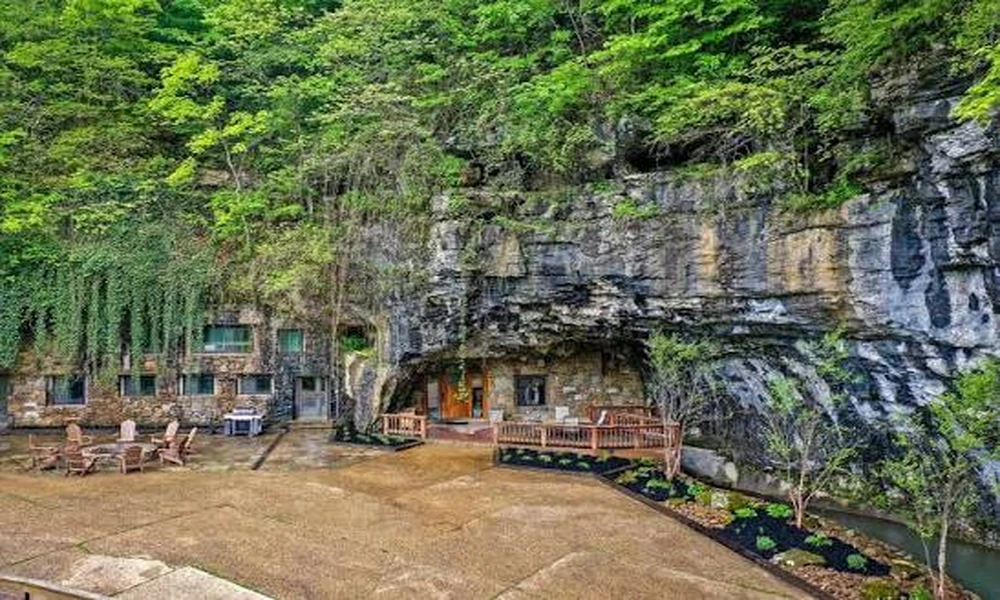
The Salem Plateau, which covers much of Texas, Wright, Howell and Douglas counties, sits on thick layers of dolomite and limestone. Both rocks dissolve slowly in rainwater that has picked up a little acid from the soil. Over very long stretches of time, that water has opened cracks into channels and channels into caves. It has also left the land full of hollows where the surface slumped into the gaps below.
Geologists call this karst. The Missouri Department of Conservation’s guide to caves and karst explains how much of the state rests on porous limestone and dolomite, where caves, springs, sinkholes and natural bridges form, and notes that Missouri has more than 7,000 caves. Losing streams are part of the same system, with creeks that drain into the bedrock through openings in their beds. Recorded counts only cover what has been reported. Plenty of hollows on private farms have been known to families for generations and have never appeared on any map.
None of this means every lot is unstable. Most Ozark homes sit on perfectly sound ground. It does mean that the water moving underground, and the empty spaces it leaves behind, deserve a look before anyone pours concrete.
Reading a Lot Before the Bucket Touches It
A walk across a property after a hard rain shows a lot. Experienced excavators and buyers who know the region look for a handful of clues.
- Round or bowl-shaped dips in a field, even shallow ones, especially where the grass grows greener or the ground stays soft
- Rainwater that pools after a storm and then drains away within hours, without running off anywhere you can see
- Fence posts, trees or old outbuildings leaning toward a common low point
- Rock ledges showing at the surface in one spot and nothing but deep clay a few yards away
- Old hand-dug wells, cisterns or filled holes that earlier owners may have used to dump brush or rubble
Any one of these is a reason to look closer, not a reason to walk away. A small depression near the edge of a 10 acre parcel might just mean the house moves 80 feet uphill. A filled hole right where the garage was planned is another story. It can be dug out, inspected and properly repaired, or the footprint can shift. Both are much easier to decide before the plans are drawn than after the forms go up.
When the Excavator Meets Chert
The soil over most of the plateau is what geologists call residuum. It’s the leftover clay and chert that stayed behind as the bedrock around them dissolved. Chert is the hard flinty stone that early people in the region knapped into tools. It doesn’t dissolve, so it piles up in the clay in every size, from gravel to boulders bigger than a washing machine.
That mix makes digging slow and hard to predict. A basement that would take one day in deep farm soil elsewhere can take three here. The operator has to work around stone, break it out with a hydraulic hammer, or haul it off. Excavation bids in the Ozarks often include an allowance or a separate rate for rock for exactly this reason. Nobody can promise what’s under the next scoop.
The bigger structural concern is the shape of the bedrock surface. It’s rarely flat. Dissolution leaves it jagged, with tall pinnacles of solid rock separated by deep troughs filled with soft clay. A footing that spans both can end up with one corner on rock that will never move and another on clay that compresses slowly under the weight of the house. That uneven support is what causes stair-step cracks in block walls, doors that drift out of square, and floors that slope toward one room.
Crews deal with this in a few practical ways. They over-excavate soft zones and backfill with compacted rock. They step footings down so the whole foundation bears on the same kind of material. On difficult sites, they bring in a geotechnical engineer to drill test borings before the design is final.
Basement, Crawlspace or Slab on Stony Ground
Hillside lots are common across the region, and they make walkout basements appealing. You dig into the slope, leave the downhill wall open for windows and a door, and get a lower level with daylight for far less than an addition would cost. When bedrock sits shallow, though, a full-depth basement can mean expensive rock removal, and a partial basement or a crawlspace may be the smarter use of money.
A crawlspace keeps the dig shallow while still giving room for plumbing, ductwork and inspections. A slab is simpler still and works well on even, well-drained ground. It’s less forgiving when there’s soft clay or old fill under one part of the pad. The right choice comes down to what turns up in that first dig, how the lot slopes, and what the owner actually wants from the space below the main floor.
Water Has to Go Somewhere
Karst connects the surface to the groundwater more directly than almost any other landscape does. Rain that runs off a roof into a nearby sinkhole doesn’t filter slowly through deep soil. It can reach the aquifer in hours, and that aquifer is the same one feeding the private wells most rural homes in the area depend on.
That matters in two ways. Roof drains and grading should carry water away from the foundation and spread it across the land, never point it into a hollow. Concentrated runoff is one of the most common triggers for new collapses, because it washes soil down into openings that were already there. The second issue is the septic system. A system placed on shallow, fractured rock can send poorly treated wastewater straight into the wells around it. Soil evaluations and county permitting exist largely for this reason. A drain field that looks fine on paper may need a different location or a different design once someone digs a test pit.
Trenches Through Rocky Clay
Utility lines face the same ground as the foundation. Water lines from the well, buried electric service and propane lines all need trenches deep enough to stay below the frost line. In rocky clay, the bottom of that trench is often lined with sharp chert. Pipe laid straight onto stone gets worn through over years of small movements and freeze cycles. A good crew beds lines in sand or fine gravel and screens the backfill, which adds a little time and saves a leak no one would want to dig up later.
The First Week Shapes the Next Fifty Years
Ozark homeowners don’t usually remember the excavation once the house is finished. It’s mud, noise, and a big pile of rock that gets spread across the driveway. Still, the choices made in that first week rarely get a second chance. That includes where the house sits on the lot, what the footings rest on, where the runoff goes, and how the septic and well relate to the rock below. A good foundation in this country starts with understanding the ground under it, and taking the time to do that up front is far cheaper than fixing a foundation later.
Karst and Chert Beneath a New Ozark Home
