
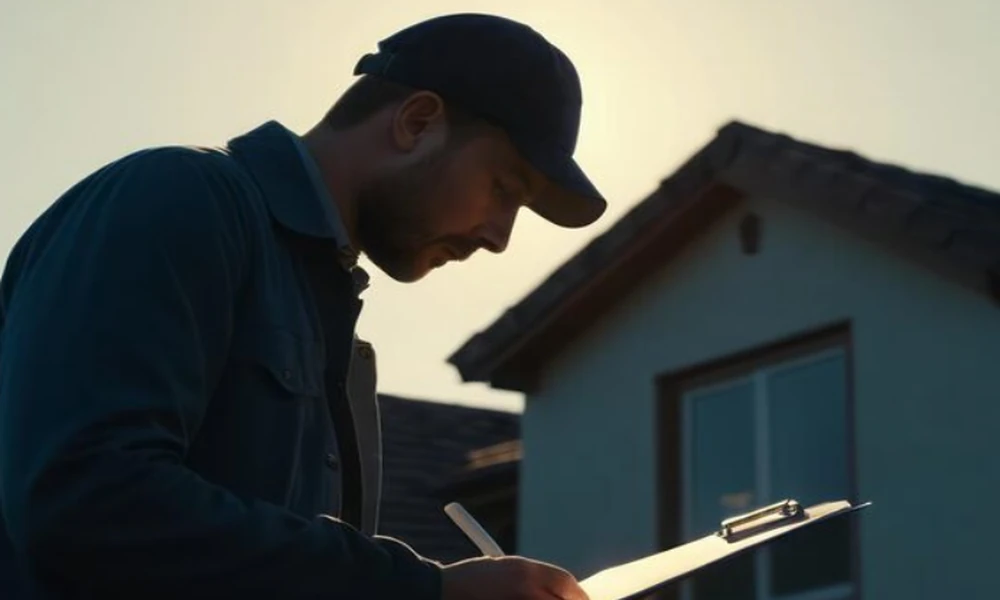

A roof is easy to forget about when everything looks fine.
You do not see leaks. The ceiling looks normal. There are no shingles lying in the yard. So, naturally, it may seem like there is nothing to worry about.
Still, roofing problems often start small. A loose shingle, tiny crack, worn seal, or blocked drainage area may not look serious at first. Over time, though, that small issue can turn into water damage, mold, damaged insulation, or expensive repairs.
That is why regular roof inspections matter.
How Often Should a Roof Be Inspected?
For many homes, scheduling a professional roof inspection at least once a year is a reasonable starting point.
An annual inspection gives a roofing professional a chance to check for damage, wear, moisture problems, and other signs that may not be easy to spot from the ground.
Some homeowners may need inspections more often. This can depend on the age of the roof, local weather, roofing material, nearby trees, and whether the property has recently experienced a major storm.
A newer roof in a mild climate may not need the same level of attention as an older roof exposed to hurricanes, hail, strong winds, or heavy rainfall.
Should You Inspect the Roof After a Major Storm?
Yes, especially if the storm brought strong wind, hail, heavy rain, or flying debris.
Storm damage is not always obvious.
A roof may look fine from the driveway while shingles are slightly lifted, flashing is damaged, or small punctures are hidden in areas that are difficult to see.
Homeowners should also watch for signs such as missing shingles, loose gutters, roof debris, water stains on ceilings, or moisture in the attic.
Even when there is no active leak, an inspection after severe weather can help identify damage before the next storm makes it worse.
Does the Age of the Roof Matter?
Very much.
As a roof gets older, regular inspections become more important. Roofing materials naturally wear down because of heat, rain, wind, sunlight, and temperature changes.
An older roof may develop brittle shingles, cracked seals, loose flashing, rust, or weakened areas.
For homes with aging roofs, an inspection once or twice a year may make sense, depending on the condition of the roofing system.
It is a little like an older car. It may still run well, but you usually pay closer attention to small sounds and warning signs because wear becomes more likely over time.
What Does a Roof Inspection Usually Include?
A roof inspection may include checking the condition of shingles, tiles, metal panels, flashing, gutters, vents, chimneys, skylights, and other roof penetrations.
The inspector may also look for:
- Cracked, curled, or missing shingles
- Loose flashing around roof openings
- Water damage or staining
- Soft or sagging roof areas
- Moss, algae, or plant growth
- Blocked gutters and drainage problems
- Signs of poor ventilation
- Damage caused by branches or debris
Some problems are easy to fix when caught early. A loose piece of flashing, for example, may be a small repair. Left alone, it could allow water into the structure and lead to much larger damage.
Can Homeowners Inspect the Roof Themselves?
Homeowners can do basic visual checks from the ground.
Look for missing shingles, sagging areas, debris buildup, damaged gutters, or anything that appears unusual. You can also check the attic and ceilings for water stains or signs of moisture.
However, climbing onto a roof can be dangerous, especially if the surface is steep, wet, damaged, or unstable.
A professional inspection is usually safer and more thorough because trained inspectors know where hidden problems often develop.
Why Regular Roof Inspections Are Worth It
Roof inspections are not only about finding major damage.
They are also about catching small issues while they are still manageable.
Regular inspections may help extend the life of a roof, reduce the chance of unexpected leaks, and give homeowners more time to plan for repairs or eventual replacement.
In general, once a year is a practical schedule for many homes. Additional inspections may be wise after major storms or when a roof becomes older.
The main idea is simple. Do not wait for water to start dripping from the ceiling before checking the roof. A little attention now can sometimes prevent a much bigger problem later.
This post was written by a professional at Baypoint Roofing. Baypoint Roofing is a State-certified, insured, bonded, and licensed roofing contractor specializing in insurance restoration, storm damage roof repair Port St Lucie FL, and expert roof inspections and installations. With over 25 years of experience, we proudly serve the entire state of Florida. Whether you need a complete roof replacement or precise repairs, our skilled team delivers unmatched quality and service. Trust Baypoint Roofing to protect your home or business with solutions that endure the Florida elements and exceed your expectations. Your satisfaction is our top priority.
