
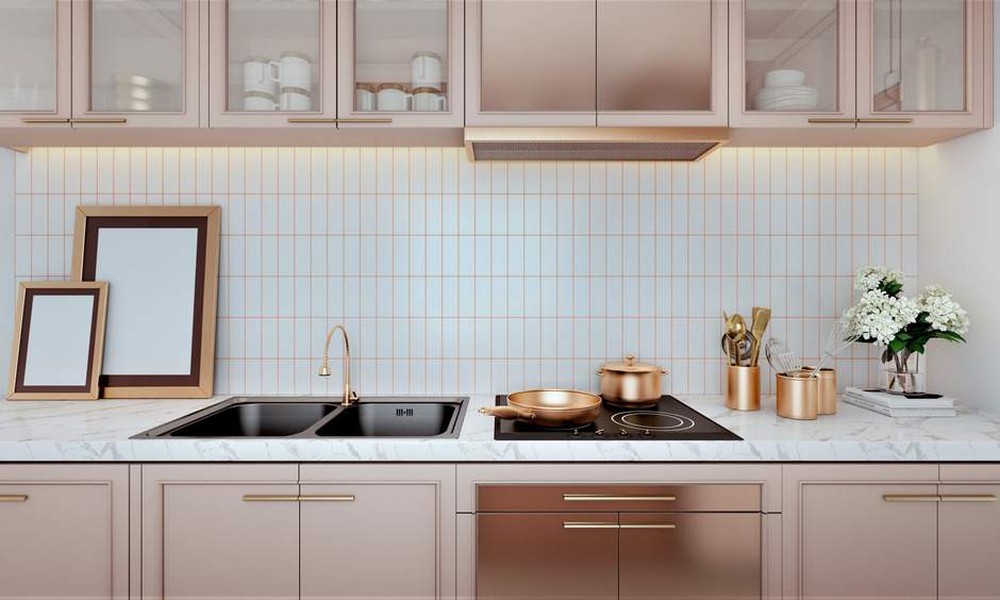

A beautiful kitchen can spark creativity, but it is the cabinets that quietly make it all work. Choosing the right kitchen cabinets is not just about looks or storage space. It is about creating a functional, stylish, and future-proof hub for everyday life. Here is how to navigate today’s options and craft a kitchen that works as hard as you do.
The Evolution of Kitchen Cabinets: From Basic Storage to Style Statement
Long before glossy finishes and soft-close doors, kitchen cabinets were humble boxes tucked under heavy countertops. Their primary job was to keep clutter out of sight and essentials within reach. But as open-concept living gained momentum and kitchens became gathering spaces, cabinets evolved too.
Shaker panels, full overlay doors, and decorative molding started appearing in homes that valued both form and function. Today’s kitchens bristle with even more variety, with contemporary flat panels and tactile laminates entering the scene. Materials and finishes have exploded in diversity, pushing cabinetry from pure utility to a vital design decision.
Assessing Your Kitchen Needs: Balancing Function and Aesthetics
Before falling in love with a door style or color, step back and consider how you use your kitchen. Is it a high-traffic zone where everyone gathers, or a cooking sanctuary for one?
Layout drives both workflow and storage. A U-shaped kitchen may need corner solutions, while a galley might benefit from tall pantry cabinets and drawers. Think about daily routines and whether deep drawers for pots, pull-out organizers for spices, or extra shelves for small appliances would simplify life.
Matching cabinets to your lifestyle is essential. If you cook daily, easy-to-clean surfaces and heavy-duty hardware pay off. If you entertain, glass fronts or bold colors might set the right mood.
Exploring Cabinet Styles Through Time: Finding Your Perfect Match
The range of cabinet styles can make anyone second-guess their instincts. Shaker and traditional options, like those found in Classic and Highland Shaker collections, never go out of fashion. They feature clean lines and versatile profiles that fit both modern and heritage homes.
For a minimalist twist, flat slab designs such as the Milano White or Grand Matte Jet Black exude a sleek, contemporary feel. Transitional styles, blending classical touches with modern simplicity, offer flexibility for those who want something timeless but not stuffy.
Material Innovations: From Solid Wood to Laminates and Beyond
The material beneath the finish matters as much as the color on top. Birch and oak provide strength and character. Engineered choices like MDF, melamine, and thermofoil expand the palette with new textures and lower costs.
Here is a quick rundown of common cabinet materials:
| Material | Characteristics | Common Uses | Pros | Cons |
|——————-|—————————–|——————————|—————————-|—————————|
| Solid Wood (Birch, Oak) | Durable, natural grain | Shaker, Raised Panel | Long-lasting, repairable | Costlier, can warp |
| MDF | Smooth, stable | Painted cabinets, Shaker | Uniform, easy to paint | Vulnerable to water |
| Melamine | Hard, coated panel | Flat Modern, Deluxe | Affordable, easy clean | Chipping on impact |
| Thermofoil | Vinyl-wrapped, seamless | Flat Slab, Modern | Resists stains, easy care | Heat sensitivity |
| Laminate | Multi-layer, textured | Matrix, Glossy finishes | Scratch resistant, bold | Edges may peel |
Balance your priorities: a busy family might favor the durability of laminate, while a chef’s kitchen could call for hardwood’s resilience.
Overlay and Panel Types: Subtle Details that Define Style
Small details make a big difference. Full overlay doors, where the cabinet door covers nearly all the face frame, result in a sleek, seamless look. Standard reveal and partial overlays show more of the frame, giving a more traditional or country feel.
Panel style is equally impactful. Raised panels, as seen in Park Ave Blue or Harmony, add depth and drama. Shaker panels are pared back, while flat and slab panels create a crisp, modern effect. Each choice affects not just looks, but also cleaning routines and durability. For instance, fewer grooves on slab doors mean less dust to contend with.
Color and Finish Trends: Making a Statement or Staying Neutral
Cabinet color can anchor a kitchen’s mood. Whites and soft grays, like Elegant White or Luxor Grey, are perennial favorites, making spaces feel fresh and open. Deep hues (think Park Ave Blue or Grand Matte Jet Black) have surged in popularity for bold, designer-inspired statements.
Glossy finishes bounce light around the room and are easy to wipe down, but fingerprints may show more. Matte or textured surfaces can hide everyday smudges and add visual interest. Those wanting a unique touch increasingly turn to custom finishes and mixed materials for cabinets that truly reflect their taste.
Practical Considerations Before Finalizing Your Cabinets
Beautiful as they are, kitchen cabinets must fit your real-world needs and budget. Factor in not just the upfront material cost but also hardware, installation, and potential future repairs.
Maintenance matters: solid wood can be refinished, while laminates are low maintenance but not as easily repaired. Always review warranties and customer support before purchasing. Choosing established suppliers, such as Kitchen Wholesalers kitchen cabinets, provides peace of mind with proven product lines and support.
Installation and Future-Proofing Your Kitchen Cabinets
Even the best cabinets disappoint if poorly installed. Weigh the benefits of professional installation against DIY savings, especially for complex layouts or features like soft-close drawers.
Think ahead as well. Modular and adjustable systems allow you to adapt as your family or needs change. Smart features and sustainable materials are emerging trends, promising kitchens that stay current for years to come.
The right cabinets balance style, function, and durability, transforming your kitchen into a space that is as practical as it is beautiful.
