
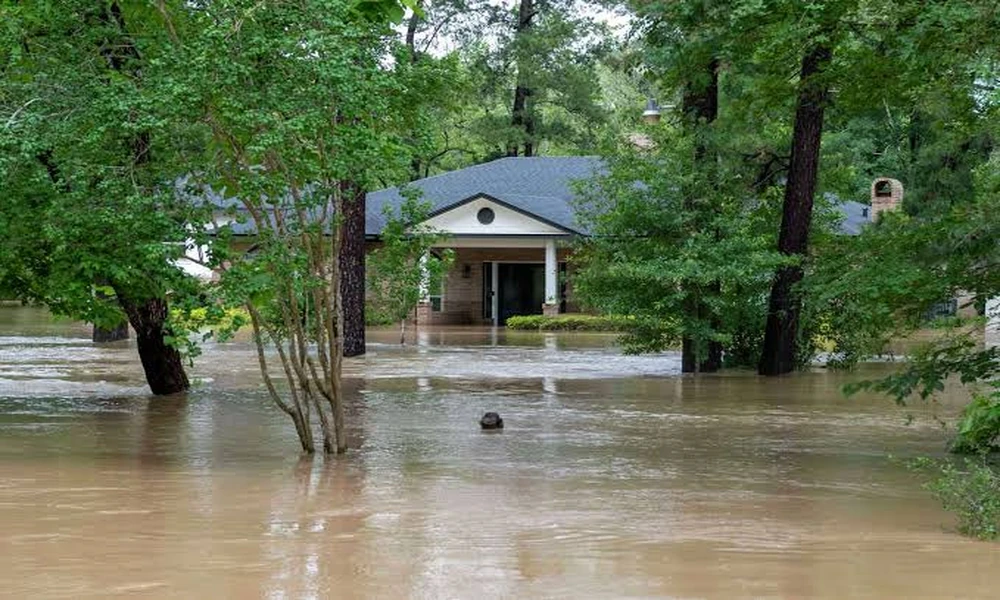

Hurricane season preparation in Texas looks very different for today’s homeowners than it did a generation ago. A home may still need basic lighting and refrigeration during a power outage, but modern households also depend on equipment that would have been considered a luxury just a few years ago.
Electric vehicles need dedicated charging circuits. Wi-Fi routers keep phones, computers, security systems, and smart-home devices connected. Security cameras and video doorbells may provide an important layer of protection when homeowners are away. Smart thermostats, garage door openers, pool equipment, home offices, and connected appliances can all depend on reliable electricity.
That creates a different kind of hurricane-preparation challenge for homeowners in Buda, Texas. The goal isn’t simply to keep the lights on. It’s to protect the electrical infrastructure and technology that make a modern home function.
For many Texas homeowners, hurricane preparation is also an opportunity to identify electrical limitations before severe weather exposes them. An older electrical panel, overloaded circuit, inadequate generator connection, or lack of surge protection can become a much bigger problem when utility power becomes unstable.
This guide looks at some of the most important electrical upgrades and planning considerations for a technology-heavy Buda home.
Start With the Electrical Panel
Before adding new technology or backup-power equipment, homeowners should understand how much electrical capacity their home actually has.
The electrical panel is essentially the distribution center for the home’s electrical system. It supplies circuits throughout the house and determines how much power can safely be distributed to different loads.
Modern homes can have substantially different electrical demands than homes built decades ago. Consider everything that might operate simultaneously:
- Central air conditioning
- Electric ranges
- Water heaters
- EV chargers
- Pool pumps
- Garage door openers
- Computers and monitors
- Networking equipment
- Security systems
- Smart-home hubs
- Refrigerators and freezers
- Outdoor lighting
- Workshop equipment
- Backup-power equipment
An EV charger alone can represent a significant electrical load. Adding one without considering the home’s existing capacity can create problems.
A licensed electrician can evaluate the existing service, panel, breakers, wiring, and expected electrical loads to determine whether an upgrade is appropriate.
For some homeowners, the solution may be a new circuit. For others, it could involve a panel upgrade, load-management equipment, or changes to how certain loads are prioritized.
EV Charger Circuits Need Special Attention
Electric vehicles are one of the clearest examples of how modern technology changes a home’s electrical requirements.
An EV charger isn’t simply another appliance that can be plugged into any convenient outlet. Many Level 2 charging systems require a dedicated circuit and can operate at substantial amperage for several hours.
That matters during hurricane preparation because homeowners may want their EV available as transportation immediately after a storm. At the same time, charging an EV can place a considerable load on a home’s electrical system.
An electrician can evaluate:
- The charger’s electrical requirements
- Available panel capacity
- Circuit size
- Conductor requirements
- Breaker requirements
- Charging location
- Distance between the panel and charger
- Indoor or outdoor installation conditions
- Potential conflicts with generator operation
Homeowners should also think about whether the EV charger needs to remain powered during an outage. If a backup generator is installed, the charging circuit may or may not belong on the generator-backed portion of the electrical system.
That is where a prioritized backup-power plan becomes especially important.
Don’t Forget Smart-Home Equipment
Modern homes can contain dozens of small electronic devices that collectively represent a substantial investment.
Smart thermostats, smart lighting controls, hubs, automated shades, smart appliances, connected locks, voice assistants, and home-automation controllers can all be vulnerable to electrical disturbances.
Many of these devices don’t consume much power individually. Their importance comes from what they control.
A smart thermostat, for example, may control the home’s heating and cooling system. A smart lock may provide keyless access. A home-automation hub may coordinate lighting, security, and other systems.
During hurricane season, homeowners should identify which devices are essential and which are simply convenient.
That distinction becomes critical when designing backup power.
Protect Your Wi-Fi and Networking Equipment
A generator can keep a home energized, but that doesn’t automatically mean the internet connection will remain available.
Cable or fiber service may continue operating during an outage, but the home’s modem, router, Wi-Fi access points, switches, network-attached storage, and other networking equipment still need electricity.
For a modern household, this equipment can be surprisingly important.
A Wi-Fi network may support:
- Security cameras
- Video doorbells
- Smart locks
- Medical or communication devices
- Work computers
- Mobile devices
- Smart thermostats
- Streaming and entertainment
- Home automation
A practical hurricane-preparation strategy should therefore include the networking system.
A UPS battery backup may be appropriate for some low-power networking equipment. For longer outages, those devices can potentially be connected to a generator-backed circuit.
The key is to determine what the household actually needs rather than automatically putting every electronic device on backup power.
Security Cameras and Smart Doorbells Need Reliable Power
Security cameras and smart doorbells can be particularly valuable before, during, and after severe weather.
They may allow homeowners to monitor entrances, driveways, gates, packages, or other areas around the property. However, most connected security devices depend on electricity and networking equipment.
If the home’s power goes out, cameras may stop recording unless their electrical supply is backed up.
Homeowners should identify:
- Which cameras are most important.
- Where their power comes from.
- Whether the network equipment supporting them has backup power.
- Whether recordings are stored locally or in the cloud.
- Whether the camera system needs to remain operational during an extended outage.
For larger security systems, an electrician can help determine which circuits or equipment should receive backup power.
Garage Doors Are Easy to Overlook
A garage door opener might not seem like an important hurricane-preparation concern until the power goes out.
Many homeowners use their garage as the primary entrance to the house. Vehicles, tools, emergency supplies, and other important items may be stored inside.
A generator-backed garage circuit can help maintain access, but homeowners should also understand how to manually release and operate the garage door if necessary.
This is another example of why backup planning should consider how a home is actually used rather than focusing only on electrical wattage.
Home Offices Deserve a Place on the Backup List
Remote work has made electricity and internet access essential for many households.
A home office may depend on:
- Desktop computers
- Monitors
- Laptops
- Printers
- Routers
- Modems
- Wi-Fi access points
- Phone chargers
- External storage
- Specialized equipment
A good backup-power plan doesn’t necessarily require running every device indefinitely. Instead, homeowners can determine which equipment needs to remain operational and estimate how much power it requires.
For example, a workstation and networking equipment may deserve priority, while a large printer or secondary monitor may not.
This type of planning can make a generator substantially more useful during an extended outage.
Pool Equipment Can Be a Significant Electrical Load
Buda-area homeowners with pools also need to consider pumps, filters, heaters, lighting, automation systems, and other equipment.
Pool equipment can represent a significant electrical load, particularly when multiple systems operate at the same time.
It may not make sense to place every pool component on a generator-backed circuit. A homeowner might decide that maintaining basic circulation is more important than operating a pool heater during an outage.
This is precisely why backup-power planning should be based on priorities.
An electrician can help determine which pool equipment can be supported safely and which loads should remain disconnected during generator operation.
Whole-Home Surge Protection Is About More Than Convenience
Power outages aren’t the only electrical concern associated with severe weather.
Storm-related utility disturbances, lightning, switching events, and the restoration of electrical service can expose sensitive electronics to damaging voltage surges.
Whole-home surge protection provides another layer of defense at the electrical service equipment. It doesn’t make electronics invulnerable, and it doesn’t eliminate the need for properly rated point-of-use protection for sensitive equipment, but it can be an important part of a comprehensive electrical protection strategy.
For homes containing expensive electronics, smart-home equipment, computers, security systems, networking equipment, and appliances, surge protection can be particularly worthwhile.
It’s also important to understand that surge protection should be installed correctly and coordinated with the home’s electrical system.
Backup Generators Should Be Planned Around Priorities
A common mistake homeowners make is assuming a backup generator needs to power the entire house exactly as it normally operates.
That isn’t always necessary.
Instead, homeowners can create a priority list.
Priority 1: Safety and Essential Infrastructure
These might include:
- Refrigeration
- Essential lighting
- Security systems
- Networking equipment
- Necessary medical equipment
- Garage access
- Smoke and carbon monoxide detection
Priority 2: Comfort
The next level could include:
- Selected HVAC equipment
- Bedroom circuits
- Additional lighting
- Television
- Additional outlets
- Kitchen appliances
Priority 3: Convenience
These could include:
- Pool equipment
- EV charging
- Large workshop equipment
- Outdoor entertainment
- Nonessential appliances
The exact priorities will differ from one household to another.
The advantage of this approach is that homeowners can match their electrical needs to the generator’s capabilities instead of attempting to operate everything simultaneously.
Think About Generator Integration Before the Storm
A portable generator and a permanently installed standby generator are not interchangeable from an electrical-system standpoint.
A generator must be connected to a home using appropriate equipment designed to prevent dangerous backfeeding into the utility system.
Depending on the installation, that can involve a transfer switch, interlock equipment where permitted and appropriate, generator-specific breakers, load management, and other electrical components.
Homeowners should never improvise a generator connection by attempting to energize a home’s wiring through an ordinary receptacle.
A properly designed generator installation makes it clear how the backup source connects to the home and which circuits are supported.
For larger homes with extensive electrical loads, an electrician can also help determine whether load management or selective circuit backup makes more sense than attempting to power everything.
Can a Handy Homeowner Do These Projects as DIY?
There is an important distinction between basic hurricane preparation and electrical installation work.
Homeowners can certainly handle many non-electrical preparation tasks themselves. They can inventory their equipment, test flashlights, charge batteries, identify important circuits, organize emergency supplies, and create a backup-power priority list.
Some homeowners may also be comfortable performing simple tasks that don’t involve modifying the home’s electrical wiring, provided the work is appropriate and safe.
However, projects involving new circuits, EV chargers, electrical panels, generator connections, transfer equipment, whole-home surge protection, pool electrical systems, or significant changes to existing wiring are a different matter.
These projects can involve dangerous voltage, substantial current, grounding and bonding requirements, equipment-specific installation requirements, and applicable electrical codes and permitting considerations.
For that reason, major electrical work should be left to qualified professionals. Texas homeowners should use a properly licensed electrical contractor when the project requires professional electrical installation and oversight.
Trying to save money by performing an unfamiliar electrical installation can create risks that aren’t obvious until something goes wrong.
A Better Hurricane Strategy for the Technology-Heavy Home
The best hurricane-preparation plan isn’t necessarily the one with the biggest generator.
It’s the one that understands the home’s actual electrical needs.
Start by making a list of everything that needs electricity. Then divide those systems into essential, important, and optional categories.
Next, have the home’s electrical infrastructure evaluated.
That evaluation can identify whether the panel has sufficient capacity, whether new circuits are needed, whether the generator can support the desired loads, and whether additional protection should be installed.
Consider these upgrades as part of a broader plan:
- Electrical panel capacity evaluation
- EV charger circuit installation
- Dedicated circuits for home-office equipment
- Backup power for networking equipment
- Generator-backed security systems
- Garage door backup power
- Appropriate pool equipment circuits
- Whole-home surge protection
- Generator installation or generator connection equipment
- Load management where appropriate
Bebee Electric Plus can help homeowners look at these systems as pieces of one larger electrical strategy instead of treating each project as an isolated upgrade.
Prepare Before the Weather Arrives
The worst time to discover that an electrical panel can’t support an EV charger, a generator can’t handle the desired loads, or security equipment isn’t backed up is during a storm.
Hurricane preparation provides an opportunity to look at the modern home differently.
The refrigerator matters. The air conditioner matters. The lights matter.
But so do the router that keeps the family connected, the cameras monitoring the property, the computer used for work, the garage door that provides access to the home, the pool equipment that needs to be managed, the EV that needs charging, and the smart-home systems that homeowners increasingly depend on every day.
A technology-heavy home requires a technology-aware electrical plan.
By evaluating electrical capacity, protecting sensitive electronics, installing dedicated circuits where needed, and prioritizing backup power, Buda homeowners can create a more resilient home before severe weather arrives.
Homeowners in Buda, Texas can trust with Bebee Electric Plus when they need the services of a reliable, licensed electrician, especially when preparing the electrical systems and technology they depend on for hurricane season and beyond.
Whether the goal is preparing for an upcoming storm, installing an EV charger, upgrading an electrical panel, protecting sensitive electronics, or designing a more practical generator setup, the right electrical plan can help a modern home remain safer and more functional when utility power isn’t available.
