

by THE HAZMAT TEAM
Lead contamination in residential and commercial water supplies remains a critical environmental and health concern. Although modern building codes prohibit the use of lead materials in new plumbing installations, aging infrastructure continues to pose serious exposure risks. Identifying how lead enters tap water and understanding the associated health hazards is essential for maintaining safe environments.
Sources of Lead in Plumbing Systems
Lead rarely occurs naturally in source water supplies. Instead, contamination typically happens as water travels through municipal distribution networks and internal property plumbing.
- Lead Service Lines: Connection pipes that run between the main utility line under the street and a building’s plumbing system represent a primary source of heavy contamination.
- Lead Solder: Used extensively to join copper pipes prior to strict regulatory bans, lead solder can break down over time and leach metal directly into standing water.
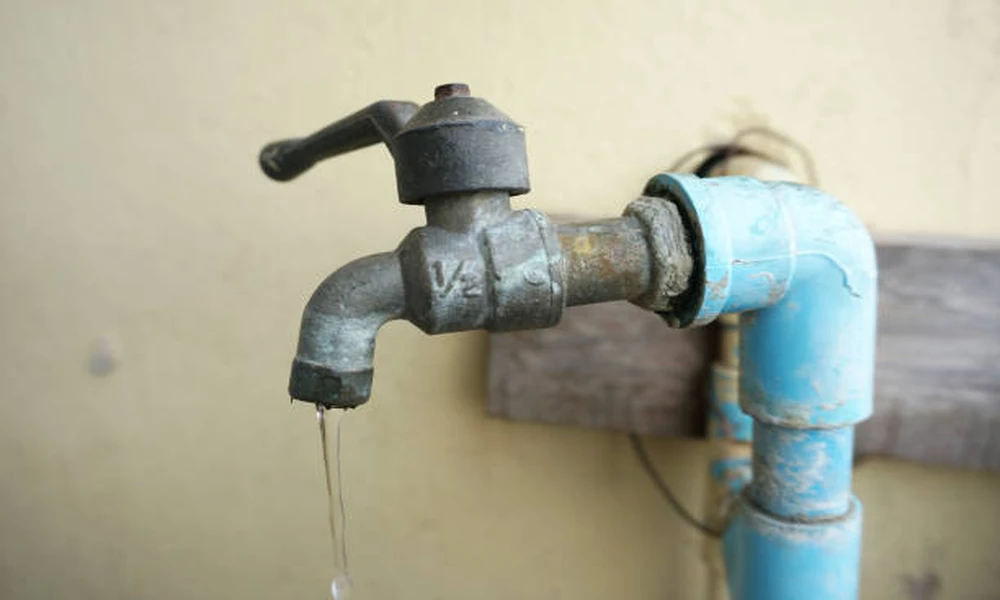
- Brass and Bronze Fixtures: Older faucets, valves, and fittings manufactured with brass or bronze alloys frequently contain small percentages of lead that dissolve into water passing through.
- Corroded Pipe Materials: Water chemistry plays a major role in contamination. High acidity or low mineral content accelerates pipe corrosion, causing lead particles to wash into residential taps.
Health Risks Associated with Lead Exposure
Ingesting lead through drinking water presents severe long-term health risks because the body absorbs and stores the toxic heavy metal over time.
Impact on Children and Pregnant Women
Infants, young children, and pregnant women face the highest vulnerability to lead toxicity. In developing children, exposure can cause irreversible central nervous system damage, learning disabilities, impaired growth, and behavioral challenges. For pregnant women, lead exposure increases risks of premature birth and reduced fetal growth.
Long-Term Health Effects in Adults
Continuous adult exposure to lead leads to chronic health complications. These effects include elevated blood pressure, kidney dysfunction, joint pain, and reproductive issues.
Environmental Testing and Mitigation Solutions
Because lead is odorless, tasteless, and invisible in liquid, standard visual inspections cannot confirm its presence. Professional environmental assessment is necessary to identify contamination sources accurately.
THE HAZMAT TEAM provides comprehensive hazardous material inspections, environmental testing, and remediation planning to address toxic risks in structures. Certified specialists analyze environmental samples to pinpoint lead hazards in plumbing infrastructure, soil, and building materials. Through detailed evaluations and targeted containment strategies, THE HAZMAT TEAM helps property owners eliminate toxic exposures and maintain compliant, safe environments.
This article was produced by a professional at THE HAZMAT TEAM. Trust your asbestos abatement contractor serving Orange County, California, including Garden Grove asbestos removal. THE HAZMAT TEAM ensures a secure, efficient removal process handled with confidence and expertise.
