

Introduction
Fire watch guards carry real responsibility, monitoring a property for hazards that automated systems would normally catch. That responsibility only means something if the person doing the job is actually trained for it. While there’s no single universal certification, OSHA and NFPA both lay out expectations that shape what genuine, competent fire watch training looks like.
For businesses hiring Tulsa fire watch guards, verifying the quality of their training is an important step before coverage begins. Guards should understand how to recognize common fire hazards, conduct effective patrols, use available fire extinguishing equipment, and respond appropriately when an emergency develops. Site-specific training is equally important, since knowing the property’s layout, evacuation procedures, and higher-risk areas allows guards to perform their responsibilities more effectively.
What OSHA Actually Requires
OSHA doesn’t issue a formal fire watch certification, but it does require employers to train fire watch personnel under standards like 29 CFR 1910.252 for general industry and separate rules for shipyard and maritime work. This training needs to cover hazard recognition, how to respond if a fire starts, and a clear understanding of the specific site being watched, not just generic fire safety knowledge.
Core Topics Every Guard Should Know
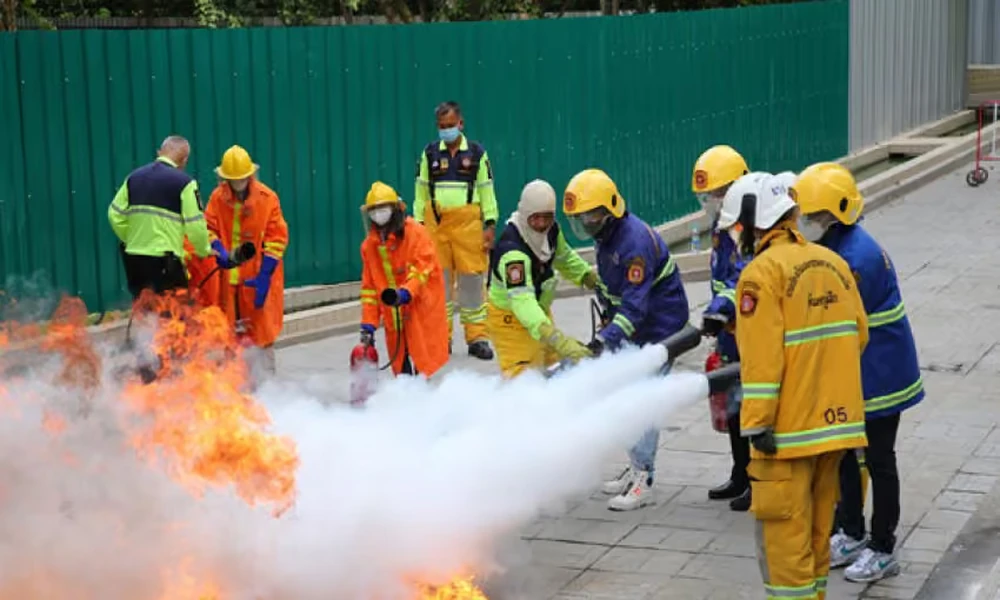
Solid fire watch training covers how to identify different fire hazards, the basics of fire behavior and classification, how to use available extinguishing equipment, and what steps to take if smoke or flames are spotted. Guards also need to understand the specific building’s alarm system, evacuation procedures, and where fire protection equipment is located, since generic knowledge only goes so far without knowing the actual site.
Hot Work Adds Its Own Layer
Guards assigned to hot work, welding, cutting, brazing, and similar activities, need training specific to that environment, including how far sparks can travel, how long to remain on watch after work concludes, and how to recognize smoldering materials that might not ignite immediately. This specialized training matters because hot work carries a different risk profile than a general system outage.
Staying Current Through Renewal
Fire watch training isn’t something to complete once and forget about. Most reputable programs recommend renewing training annually, or sooner if codes change or a company updates its own procedures. Regular renewal keeps guards sharp and up to date, rather than relying on knowledge that may have gone stale since their last course.
Why Documentation Skills Belong in Training Too
Beyond hazard recognition and emergency response, competent fire watch training also needs to cover how to properly fill out a patrol log. A guard who spots every hazard perfectly but can’t document it clearly and consistently still leaves a facility exposed during an inspection, since that documentation is often the actual proof a fire marshal relies on.
Conclusion
Real fire watch competency comes from training that covers hazard recognition, emergency response, site-specific knowledge, and if relevant, the added demands of hot work. It’s not a box to check once and move on from, it’s an ongoing responsibility that keeps a guard genuinely capable of doing the job well. When lives and property are on the line, that depth of training is what actually separates a qualified fire watch guard from someone just filling a shift.
Training Requirements for Competent Fire Watch Guards
