
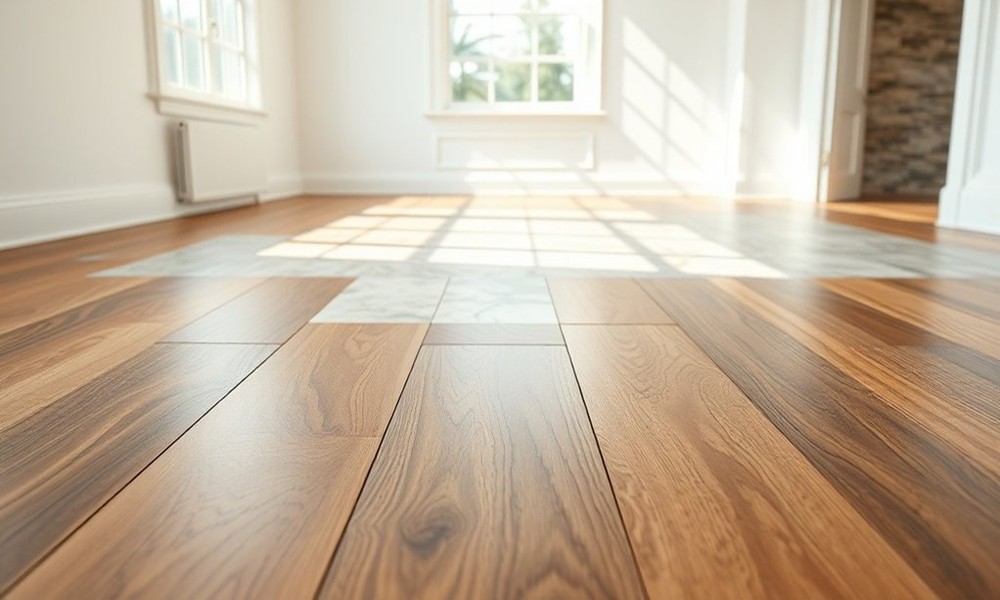

Grimy carpets, buckled boards, chipped tiles: nothing ages a room faster than tired flooring. Yet, replacing it can feel like an impossible puzzle for anyone with a tight budget. Is it really possible to save money without ending up with floors you regret?
Why Finding Affordable Flooring Feels Overwhelming
Sticker shock is only the beginning. The myth that “expensive means better” traps buyers into overspending, while fear of “cheap equals flimsy” pushes others into endless indecision. Price tags rarely tell the whole story, leading many to overlook hidden costs built into bargain deals, like installation surprises, short warranties, or higher maintenance. Those “too good to be true” deals? They can come back to haunt you when seams peel up or boards splinter after just a few years.
Settling for less brings its own headaches. Subpar flooring often means replacing it sooner, ruining any intended savings. Peeling, warping, and stains that never come out can make you wish you’d waited, or spent just a little more for long-term peace of mind.
Key Factors That Affect Flooring Costs
Material choice is the first fork in the road. Vinyl, laminate, and tile offer a range of price points, each with its own strengths. Hardwood, both engineered and solid, adds character but can stretch a budget quickly. Labor and installation are the hidden giants, DIY can cut costs, but mistakes can be costly. Professional installation fees vary widely, especially for intricate patterns or tricky subfloors.
The real test arrives after the floor is laid. Durability and ongoing maintenance differ by type. The upfront savings of a cheaper option can quickly evaporate if you’re constantly cleaning, sealing, or patching it.
| Flooring Type | Initial Cost (per sq. ft.) | Lifespan (years) | Maintenance Frequency | Installation Cost |
|———————|—————————-|——————|———————-|——————|
| Vinyl Plank / LVT | $2 – $6 | 10-20 | Low | Low |
| Laminate | $1 – $5 | 8-15 | Low | Low-Medium |
| Engineered Hardwood | $4 – $10 | 20-30 | Medium | Medium |
| Solid Hardwood | $8 – $15 | 30+ | Medium-High | High |
| Ceramic Tile | $3 – $8 | 20-50 | Low | Medium-High |
How to Identify Quality Flooring on a Budget
Spotting real value starts with the materials. Some budget floors mimic high-end looks surprisingly well, but not all imitations are created equal. Check for product certifications, thickness of wear layers, and genuine backing materials. High-quality manufacturing means tight seams, consistent surface finishes, and edges that lock securely or grout tightly.
A good warranty is another hallmark. Reputable products often come with clear guarantees that cover wear, fading, and defects. Compare not just the length, but what’s actually included, some warranties only apply to certain environments or exclude DIY installation.
Popular Affordable Flooring Types That Don’t Compromise Quality
Vinyl plank and luxury vinyl tile (LVT) have surged in popularity for good reason. They offer realistic wood or stone looks, easy click-together installation, and water resistance ideal for kitchens or basements. Modern laminate has improved, with deeper textures and tougher finishes than ever before.
Engineered hardwood provides real wood surfaces at a lower price than solid planks, and often with better resistance to humidity changes. Ceramic and porcelain tiles remain classic for busy households, affordable when sourced from reputable places like Club Ceramic tile stores ottawa, which specialize in quality selections.
Smart Shopping Strategies to Save Without Sacrificing Quality
Patience pays off. Many stores run seasonal sales or clear out discontinued lines at steep discounts. Shopping locally can mean better support and product knowledge, especially compared to big-box chains with limited service. Ask about bundled installation packages or leftover stock for small rooms.
Before committing, check for third-party certifications such as FloorScore or Greenguard, which indicate low chemical emissions. Browse reviews to uncover how products hold up in real homes, not just showrooms.
Avoiding Costly Flooring Mistakes
DIY installation can go wrong fast without the right prep or tools. Proper subfloor leveling is crucial, skimping here leads to creaks and gaps. Don’t underestimate the effort required for demolition or cleaning up old adhesive.
Neglecting maintenance directions is another common pitfall. Following manufacturer care guides preserves warranty coverage and extends the life of your investment.
Taking Action: Steps to Choose Your Perfect Affordable Flooring
Start by evaluating how each room is used, pets, kids, and heavy furniture all matter. Set your maximum budget but allow a bit of room for unexpected costs. Bring home samples to see colors and textures in your space and lighting.
Consult with experts, whether at specialty flooring shops or by reaching out to installers for quotes. Their experience can help you avoid overlooked costs or impractical choices. Once you weigh your options, make your decision with confidence, knowing you’ve prioritized both value and quality.
Maintaining Your Flooring for Longevity and Value
A few simple habits will stretch your flooring investment. Sweep or vacuum grit regularly to prevent scratches. Use felt pads under furniture, and mop up spills quickly. For repairs, follow manufacturer advice, many surface scuffs and chips can be fixed without full replacement.
When wear and tear finally outpace touch-ups, you’ll be ready to make a smart flooring choice again, this time with experience and confidence on your side.
