
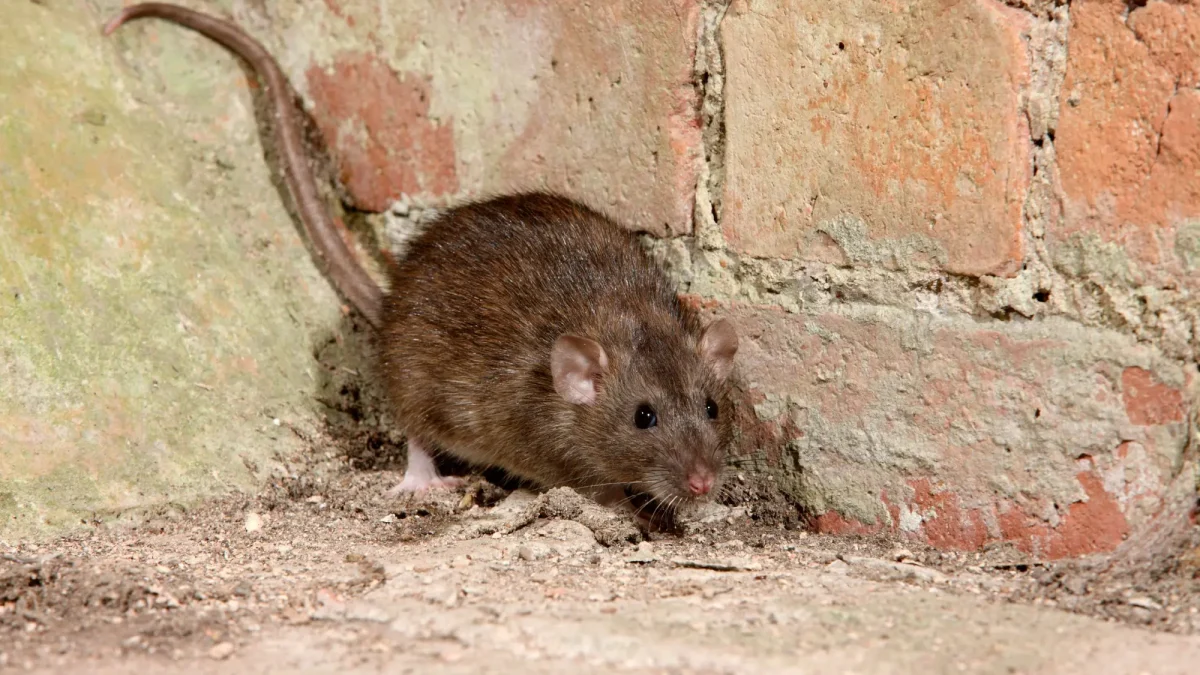

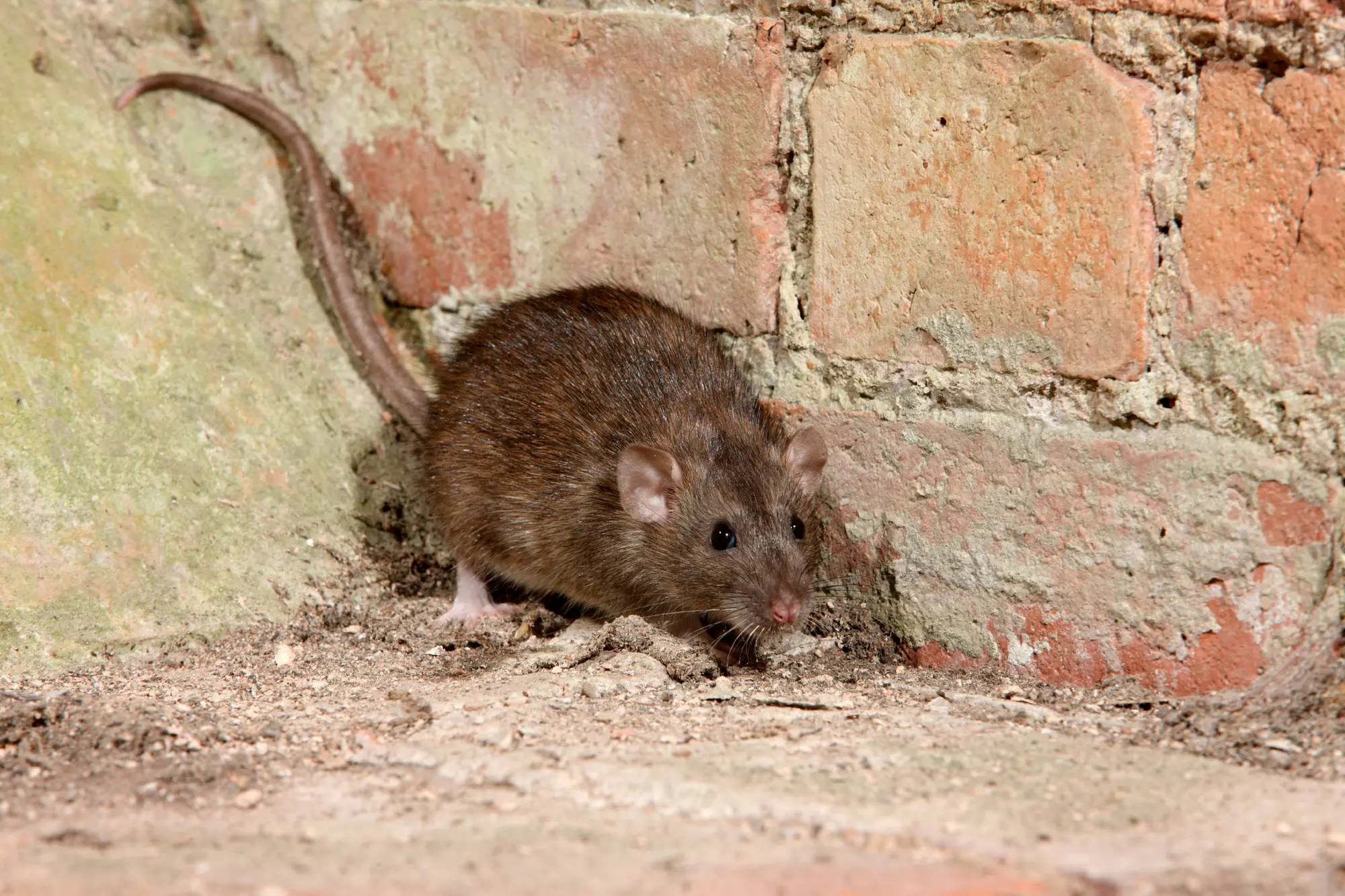
Rats can quickly become comfortable inside a Plano home once they find food, water, and a quiet place to nest. Sadly, this can mean they could start causing damage right away. That is why homeowners should take steps to keep these rodents by working with experts such as those at Romney Pest Control. These professionals know how to handle rat infestations, regardless of their severity. Below is a closer look at the most common types of damage that rats may cause inside and around homes in Plano.
Chewed Electrical Wiring and Fire Risk
Rats constantly chew to keep their teeth from growing. They usually target wires inside walls, attics, and garages. The plastic coating in wires offers little resistance, and the wire can spark or overheat when exposed. This type of damage increases the risk of electrical failure and house fires. Repairs often require an electrician and may include opening walls or ceilings.
Damage to Insulation in Attics and Walls
Insulation provides rats with warmth, privacy, and a soft base for nests. Attic insulation in many homes in Plano takes the worst hit. Rats tear it apart, flatten it, and mix it with nesting debris. Insulation that loses its shape cannot regulate temperature as intended. This can push energy bills higher during hot Texas summers and cool winter nights. Damaged insulation may also hold moisture and odors.
Gnawed Wood, Drywall, and Structural Materials
Rats can also damage wood framing, drywall, baseboards, and trim. Their chew marks often appear along corners, near floors, or close to entry points. This gnawing can weaken materials and affect the look of the home. In severe cases, support beams or joists may suffer enough damage to require professional repair. Small holes in drywall may seem minor, but they often grow as rats move through walls.
Contaminated Food Storage Areas
Rats are drawn to the food scents in pantries, cabinets, and storage rooms. They chew through cardboard, plastic containers, and thin packaging. This leads to food loss and contamination. Also, rat droppings, urine, and hair can spread bacteria across shelves and surfaces. Any food touched by rats should be thrown away. Cleaning these areas takes time and care, and some homeowners choose to replace shelving to feel confident about safety.
Plumbing and Pipe Damage
Rats can chew through plastic pipes, drain lines, and soft seals. This can cause slow leaks behind walls or under floors. This can lead to water damage. Mold growth, warped flooring, and stains on ceilings may appear weeks later.
Damage to HVAC Systems and Ductwork
Heating and cooling systems also attract rats, especially during cooler months. Ductwork offers warmth and quiet space for rats. Rats can chew flexible ducts and insulation around vents. Air escapes into unwanted areas when ducts suffer damage. This reduces system efficiency and affects indoor comfort. Contaminants from rat waste may also circulate through the home.
Stained Walls, Ceilings, and Odors
Rat urine and droppings can soak into wood, drywall, and insulation. Stains may show through paint or ceiling material over time. This can result in lingering odors in affected rooms, closets, or attics. In some cases, the scent grows stronger when air flows through vents or when humidity rises.
Nesting Debris and Blocked Spaces
Rats gather paper, fabric, insulation, and other soft items to build nests. These nests often form in attics, crawl spaces, wall voids, and storage areas. Nesting debris can block vents, reduce airflow, and create fire hazards near electrical components.
Damage to Stored Belongings
Rats chew through fabric, cardboard, and plastic bins to reach nesting material or food residue. This can lead to damage to boxes of seasonal decor, keepsakes, and clothing stored in garages or attics. This type of loss may carry emotional weight and repair costs.
